Leg Pain or Nighttime Cramps: What Your Body Might Be Telling You—Experts Explain How Dehydration and Low Magnesium, Potassium, or Calcium Can Affect Muscle Function, Leading to Discomfort or Cramping, While Gentle Stretching, Proper Hydration, and Balanced Nutrition May Help—But Persistent or Severe Symptoms Should Always Be Evaluated by a Healthcare Professional to Rule Out Underlying Health Conditions

Nighttime leg cramps are often dismissed as minor annoyances, but they can reflect deeper processes within the body. These sudden pains are not random—they result from interactions between nerves, muscles, hydration, and mineral balance.

Muscles rely on precise electrical signals to contract and relax. When this system is disrupted, even slightly, it can lead to tightness, twitching, or painful cramps, especially during rest when the body is recovering.

One key factor is vitamin D. Beyond bone health, it helps regulate calcium, which is essential for muscle function. Low vitamin D can weaken muscle performance and increase sensitivity to fatigue.

Calcium and magnesium also play critical roles. Calcium triggers muscle contraction, while magnesium helps muscles relax. If this balance is off, muscles may become overactive, leading to cramps.

Electrolytes like potassium and sodium further support this system. Dehydration or stress can disrupt these levels, making cramps more likely, particularly at night when circulation slows.

Nutrition can help restore balance. Foods rich in vitamin D, calcium, and magnesium—along with proper hydration—support steady muscle function and may reduce cramp frequency over time.

Daily habits also matter. Stretching before bed, staying active, and managing stress can improve circulation and reduce muscle tension, helping the body relax more effectively during sleep.

If cramps are frequent or severe, they may signal underlying issues. In such cases, medical advice is important to identify possible deficiencies or conditions affecting overall health.


Related Posts

Singing Just for You Today”: Sweet Moment Leaves Viewers Smiling ❤️🎤

Singing Just for You Today”: Sweet Moment Leaves Viewers Smiling ❤️🎤

A short, heartwarming clip is bringing smiles across social media as a young voice shares a simple but uplifting message: singing “just for you today.” In the…

My Husband Told Me “If You Want to Eat, Pay for Your Own Food” — So I Turned Off the Stove on His Birthday

My Husband Told Me “If You Want to Eat, Pay for Your Own Food” — So I Turned Off the Stove on His Birthday

Richard’s birthday was supposed to be a celebration, but it quickly became a turning point in our relationship. His entire family arrived expecting a homemade feast, yet the kitchen was… CONTINUE READING

The Stranger at My Table: The Secret My Mother Kept for 20 Years Will Leave You Speechless

The Stranger at My Table: The Secret My Mother Kept for 20 Years Will Leave You Speechless

I stood there trembling, holding flowers, as a family friend finally revealed a truth that shattered everything I believed about my childhood. For twenty years, I had carried the pain… CONTINUE READING

After I Lost My Job, My Husband Demanded We Split Everything 50/50—Then I Discovered Secrets

After I Lost My Job, My Husband Demanded We Split Everything 50/50—Then I Discovered Secrets

Elena never expected losing her job to change her marriage. After being laid off, she returned home hoping for support from her husband, Thomas, after eight years together. Instead, she… CONTINUE READING

Why More Drivers Are Displaying Upside-Down State Flags—and What It Means

Why More Drivers Are Displaying Upside-Down State Flags—and What It Means

If you’ve driven through the Pacific Northwest, you may have noticed an upside-down outline of Washington State on some vehicles. It often looks like a mistake at first, but it’s… CONTINUE READING

Why Some Wall Outlets Are Installed Upside Down: The Practical Reason Behind It

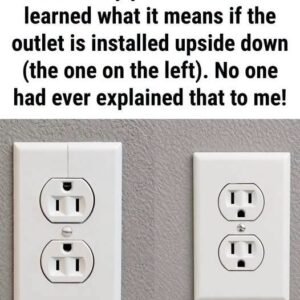
Why Some Wall Outlets Are Installed Upside Down: The Practical Reason Behind It

If you’ve ever seen a wall outlet with the ground hole facing upward, it might look like a mistake—but it often isn’t. In many cases, the orientation is intentional and… CONTINUE READING