What Your Food Choice Might Suggest If You Had to Give Up One Item Forever

This is essentially a reflection prompt about attachment, habit, and comfort, rather than a “personality test” with any scientific accuracy.

At its core, it’s exploring something real though: the emotional weight of everyday choices.

What this question actually reveals (in a grounded way)

1. Routine vs flexibility

  • Struggling to give up certain foods often reflects habit strength, not personality
  • Being able to drop something easily usually just means it’s not central to your daily routine

2. Comfort and emotional association

  • Foods tied to childhood, culture, or shared experiences tend to feel “irreplaceable”
  • That doesn’t mean anything about discipline—it just shows emotional memory attached to eating

3. Preference stability

  • Some people like consistency (same meals, same flavors)
  • Others prefer novelty and variety
    This question just nudges that difference, but it doesn’t define you

4. Discipline vs enjoyment (a common oversimplification)

  • Giving up sweets or snacks isn’t automatically “self-control”
  • Keeping them isn’t automatically “lack of discipline”
    It’s mostly about context: lifestyle, metabolism, habits, and personal balance

The important takeaway

These kinds of prompts feel insightful because food is deeply tied to:

  • comfort
  • identity
  • routine
  • culture
  • memory

But they don’t reliably measure personality traits in any meaningful or scientific way.

A more useful way to think about it

Instead of “what would I give up forever?”, a more revealing question might be:

  • What foods make me feel my best physically and mentally?
  • What foods do I rely on out of habit rather than enjoyment?

That shifts it from a “personality quiz” into something more practical and self-aware.

If you want, I can turn this into a fun version where different food choices map to realistic lifestyle patterns (not personality labels).


Related Posts

Singing Just for You Today”: Sweet Moment Leaves Viewers Smiling ❤️🎤

Singing Just for You Today”: Sweet Moment Leaves Viewers Smiling ❤️🎤

A short, heartwarming clip is bringing smiles across social media as a young voice shares a simple but uplifting message: singing “just for you today.” In the…

My Husband Told Me “If You Want to Eat, Pay for Your Own Food” — So I Turned Off the Stove on His Birthday

My Husband Told Me “If You Want to Eat, Pay for Your Own Food” — So I Turned Off the Stove on His Birthday

Richard’s birthday was supposed to be a celebration, but it quickly became a turning point in our relationship. His entire family arrived expecting a homemade feast, yet the kitchen was… CONTINUE READING

The Stranger at My Table: The Secret My Mother Kept for 20 Years Will Leave You Speechless

The Stranger at My Table: The Secret My Mother Kept for 20 Years Will Leave You Speechless

I stood there trembling, holding flowers, as a family friend finally revealed a truth that shattered everything I believed about my childhood. For twenty years, I had carried the pain… CONTINUE READING

After I Lost My Job, My Husband Demanded We Split Everything 50/50—Then I Discovered Secrets

After I Lost My Job, My Husband Demanded We Split Everything 50/50—Then I Discovered Secrets

Elena never expected losing her job to change her marriage. After being laid off, she returned home hoping for support from her husband, Thomas, after eight years together. Instead, she… CONTINUE READING

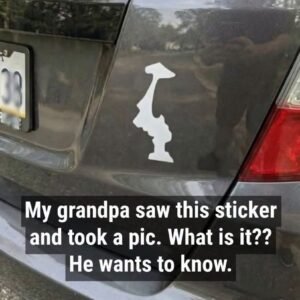
Why More Drivers Are Displaying Upside-Down State Flags—and What It Means

Why More Drivers Are Displaying Upside-Down State Flags—and What It Means

If you’ve driven through the Pacific Northwest, you may have noticed an upside-down outline of Washington State on some vehicles. It often looks like a mistake at first, but it’s… CONTINUE READING

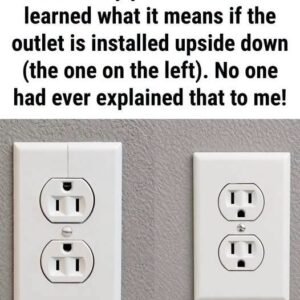
Why Some Wall Outlets Are Installed Upside Down: The Practical Reason Behind It

Why Some Wall Outlets Are Installed Upside Down: The Practical Reason Behind It

If you’ve ever seen a wall outlet with the ground hole facing upward, it might look like a mistake—but it often isn’t. In many cases, the orientation is intentional and… CONTINUE READING